Strained, not filtered
A lot of honey is heated, pasteurized, and pushed through a micro-filter so it never sets. Ours is spun from the comb and barely strained. No corn syrup. No color chosen in a blending house.
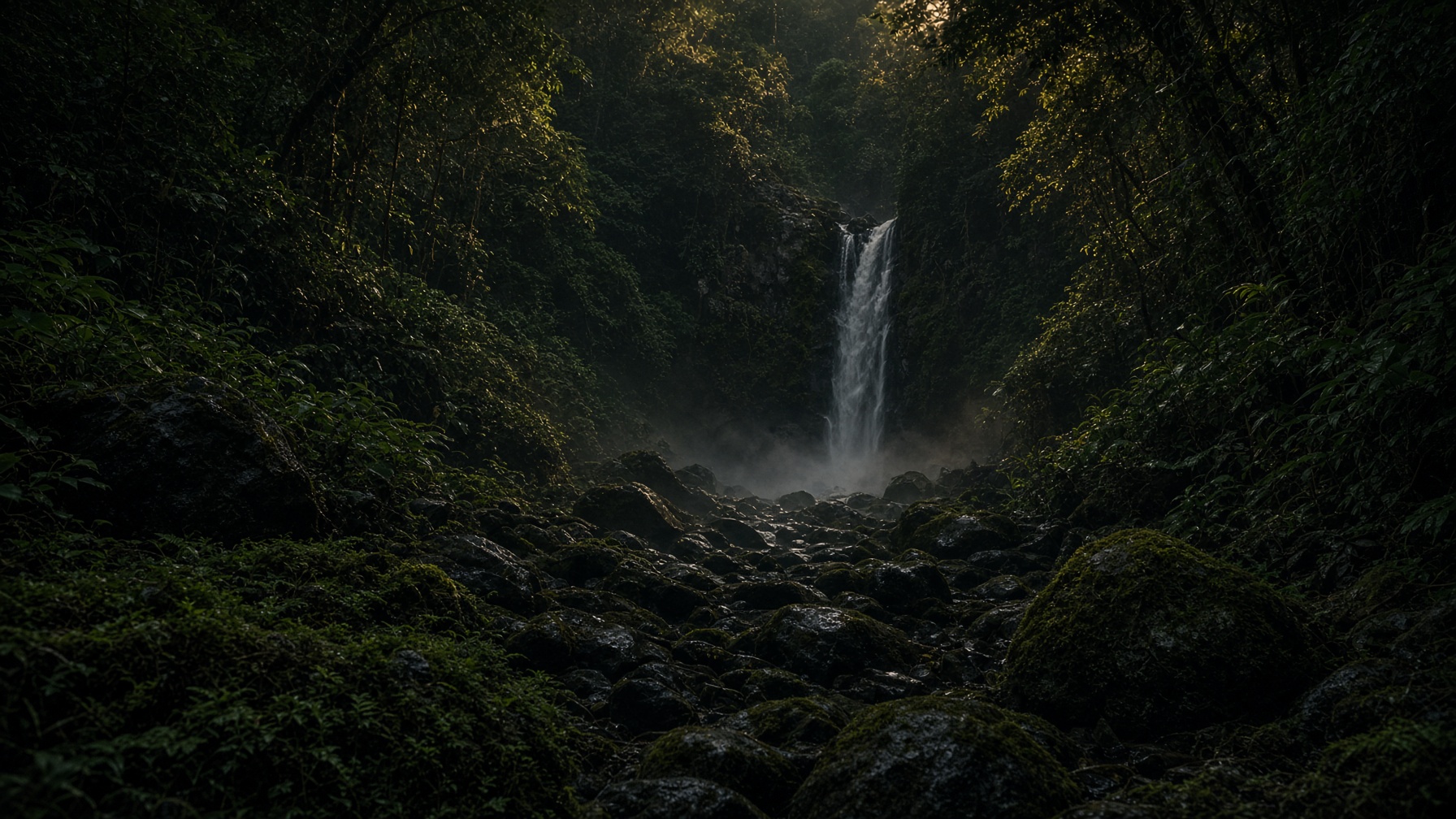
The Pantanal · Paraguay
Rare, seasonal honey from the Pantanal and the Humid Chaco — created to help make the living forest more valuable standing than cleared.
Scroll to journey inward
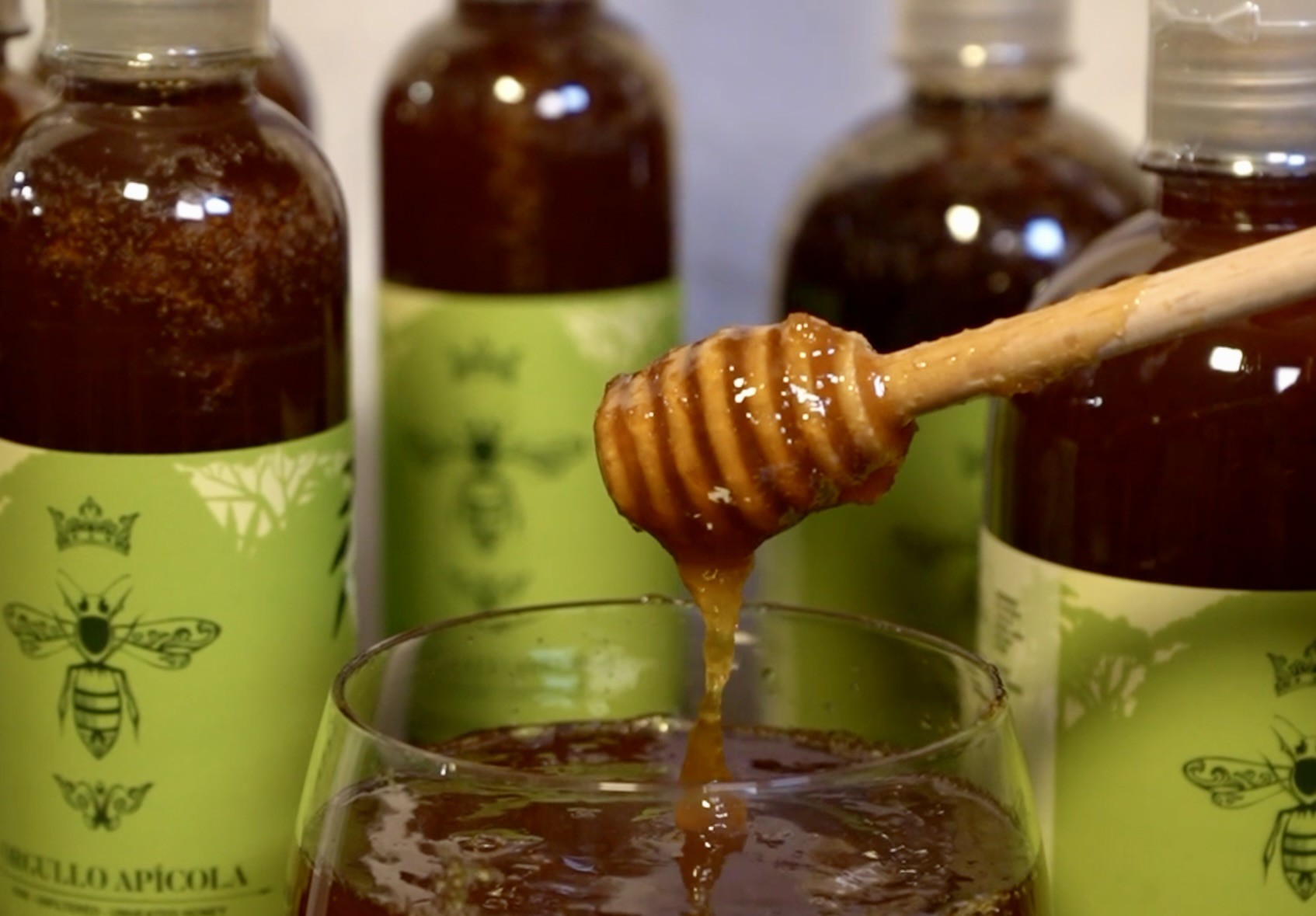
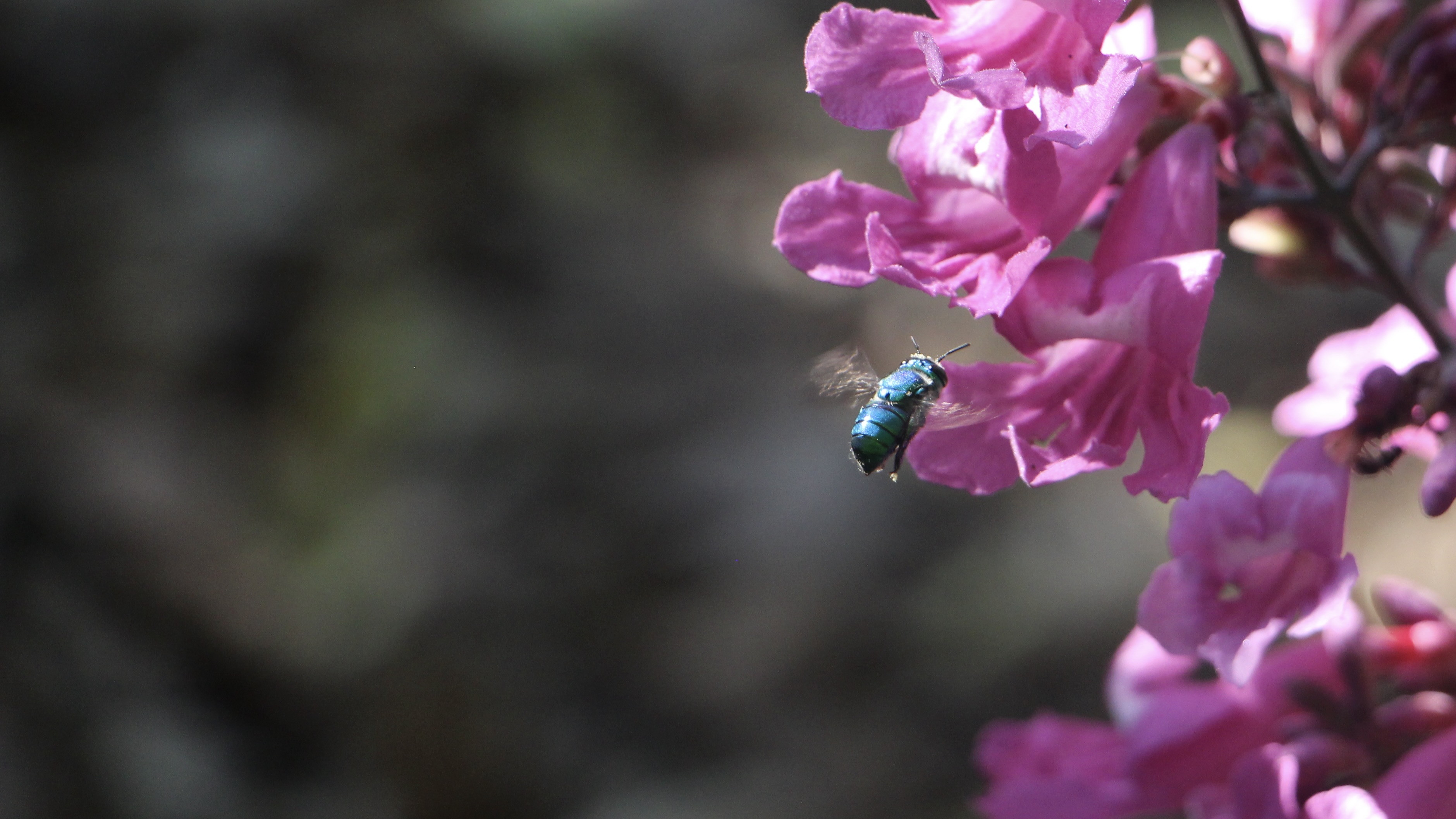
This is not average honey. Multifloral Pantanal nectar comes off a whole wetland bloom — many plants, not one crop — and the bees on those flowers are not the gold ones most people picture. Some of them are metallic blue. The jar is packed with more plant antioxidants and trace nutrients than the pale, pasteurized honey most people buy. We open the cap, spin the comb, and strain it lightly. No preheat. No micro-filter. No pasteurization. The enzymes stay active, the pollen stays in, and the honey crystallizes because nothing was cooked out of it.
The keepers
Roger Velilla, founder of Orgullo Apícola, with the licensed indigenous beekeepers. This is the crew between the bloom and the bottle.
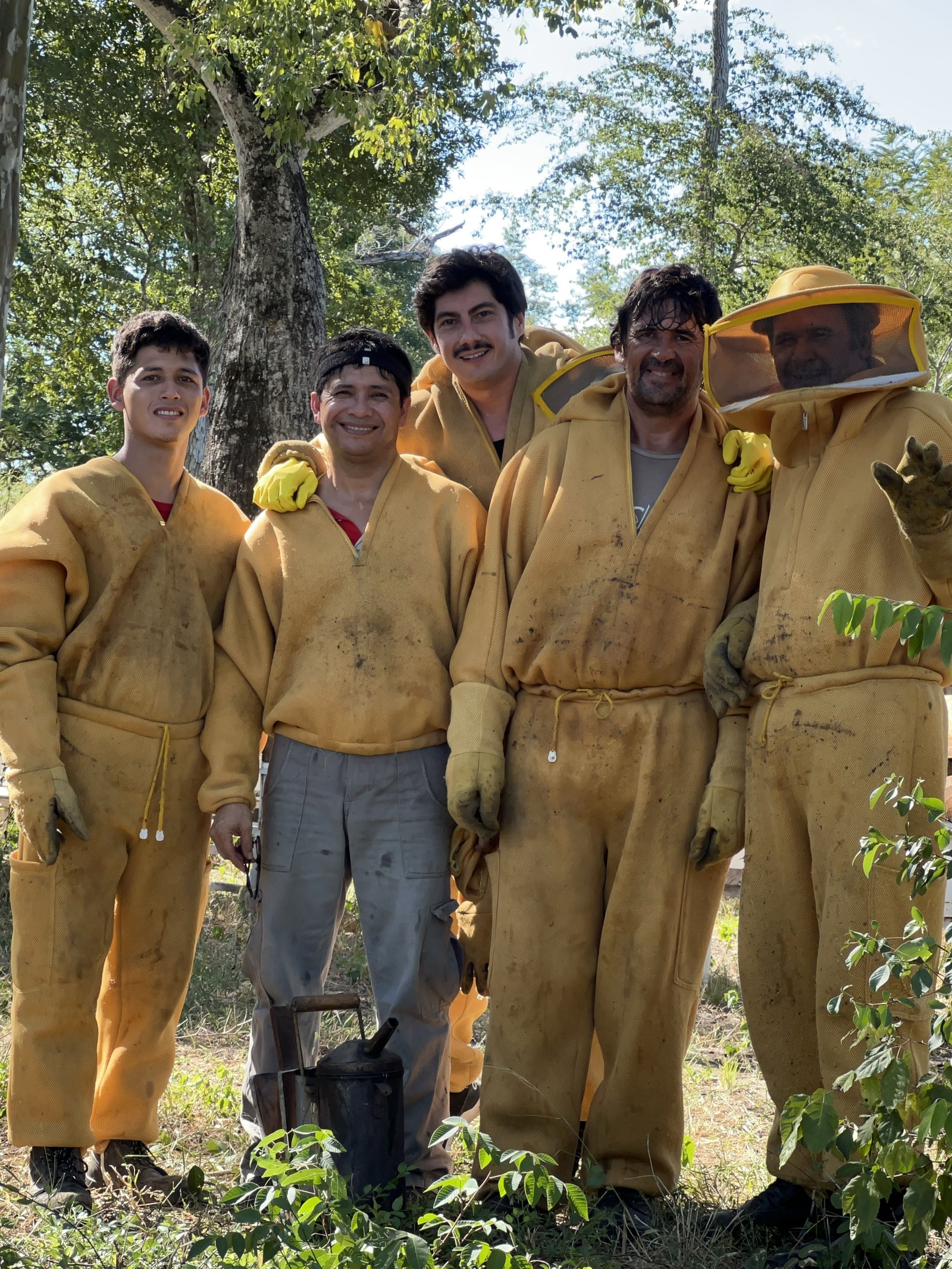
Boxes go into forest reserves. Indigenous landowners host them. The standing trees are the point of the agreement.
A few people in those communities are trained as professional beekeepers — suits, tools, and a license. Older landholders rent the ground. The keepers work the bees.
When the cells are capped in wax, the box leaves for a laboratory. In the Pantanal, that trip is by plane.
The wax cap is opened. Honey is centrifuged out of the comb, then lightly strained. Never preheated just so it can be micro-filtered. Never pasteurized.
A lot code goes with it. In the Pantanal, some jars are already being filled so the comb can build inside the glass. Those are not for sale here yet.
In the jar
01
The flowers and the weather write the color, the aroma, and the flavor. Hold a bottle from this year and it will not be the bottle from the next.
02
Every bottle carries a QR code back to the lot: the reserve, the keepers, and how it was taken from the comb. The first transparent houses are the ones people trust.
03
About nine hundred bottles in a harvest, and only part of that reaches the United States. You can buy it while it is here. Next season will taste like next season.
Origin
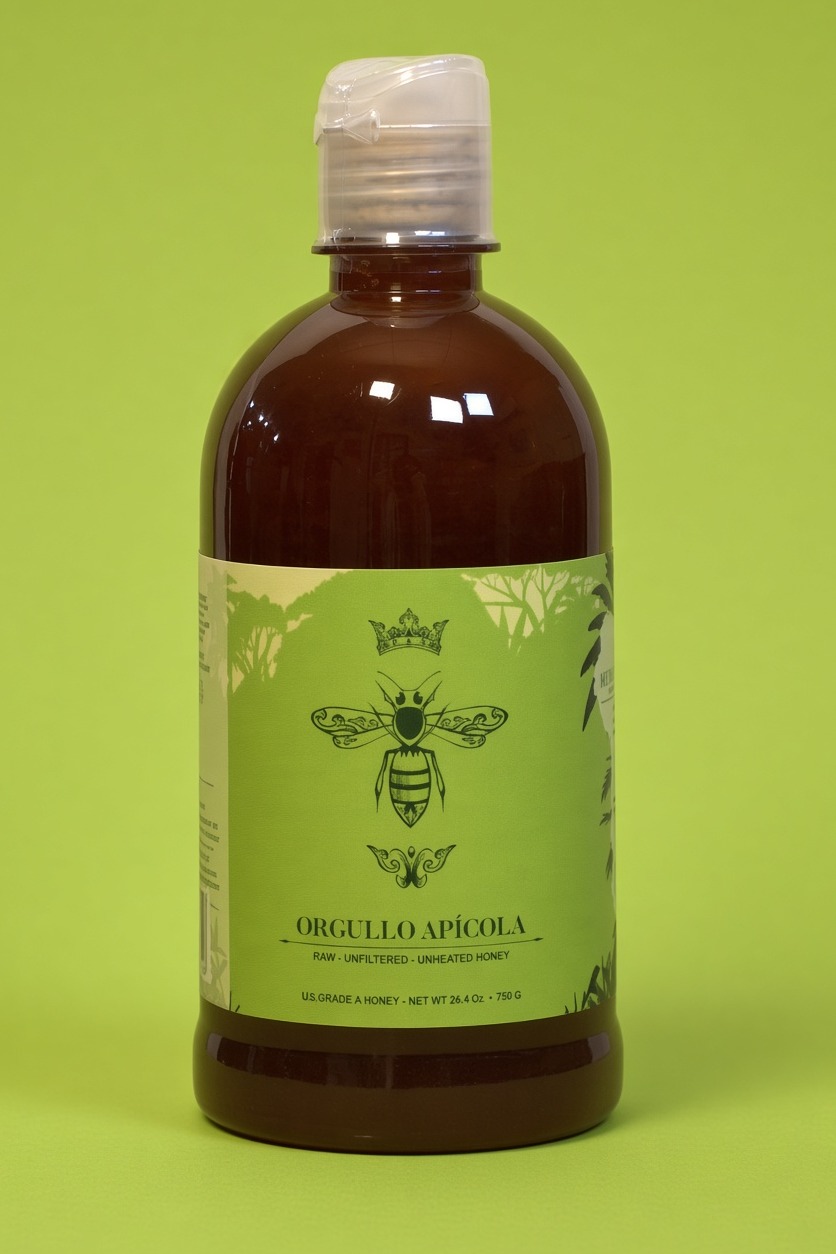
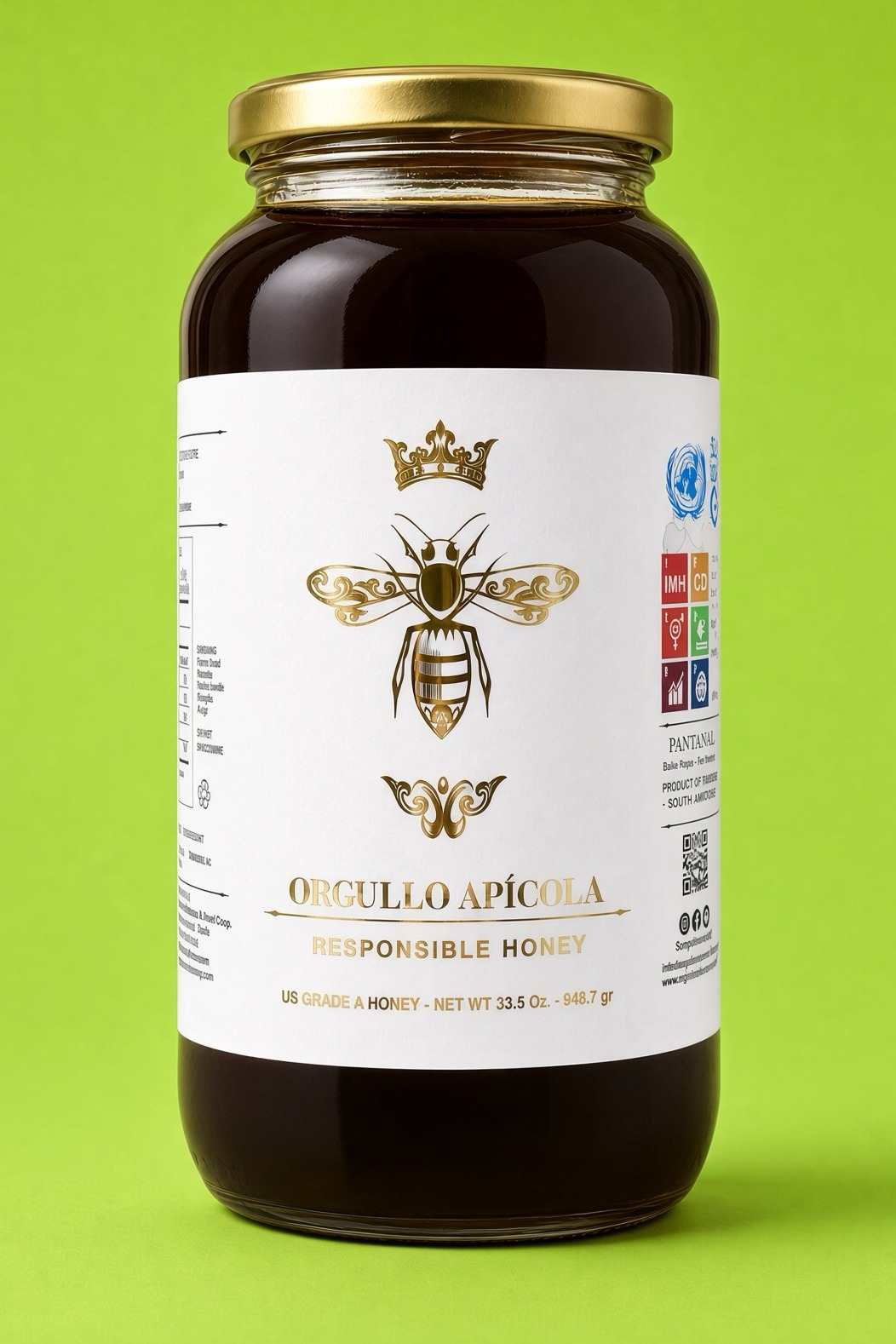
The green label is the southern Humid Chaco. The white label is a different world: hives set deep in the northern Pantanal, where the forest, the flood, and the honey are not the same.
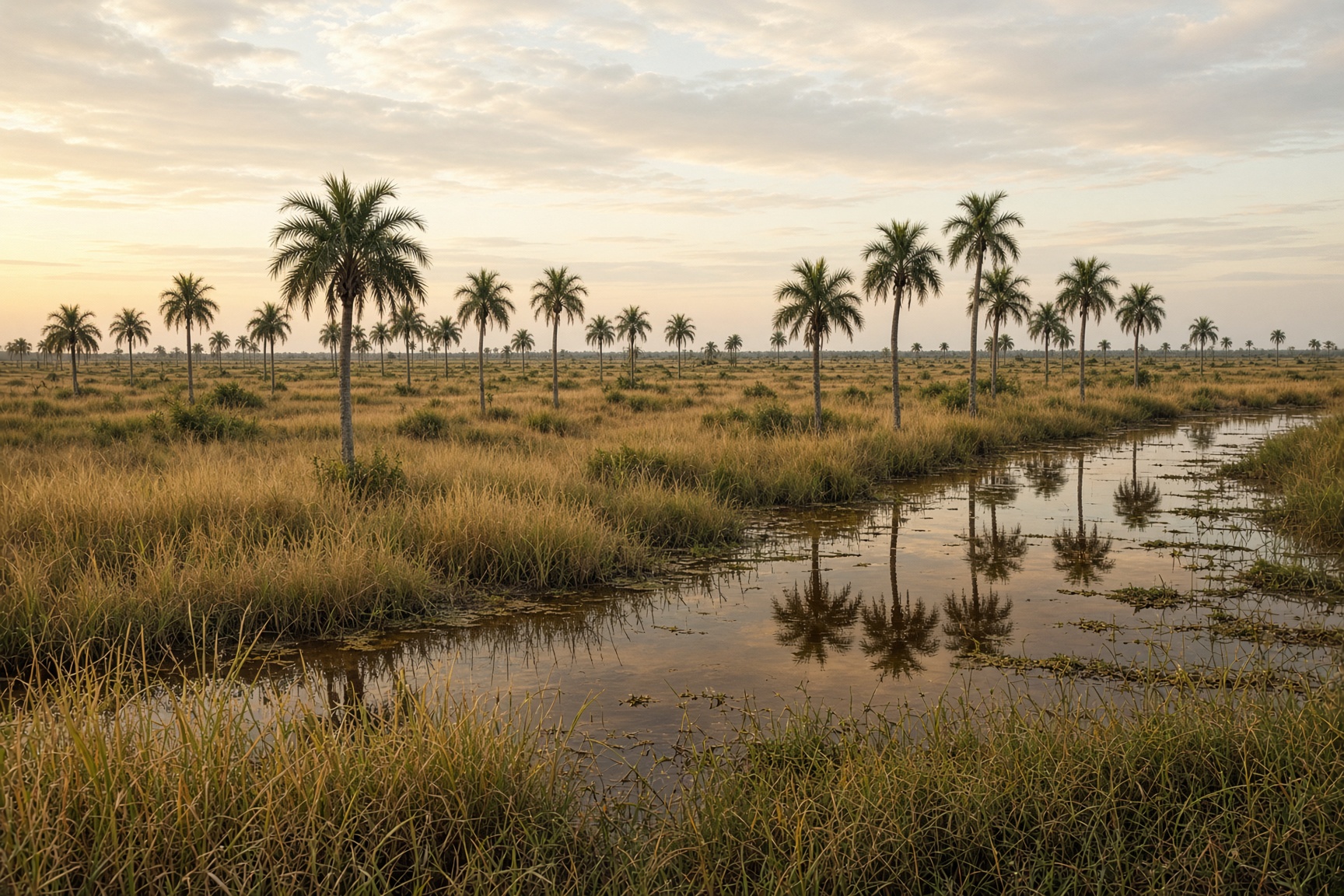
Bajo Chaco · Paraguay
Licensed indigenous beekeepers work the palm savanna and the bloom along the river. Rich, floral, raw and unfiltered — the jar that comes out of the Humid Chaco.
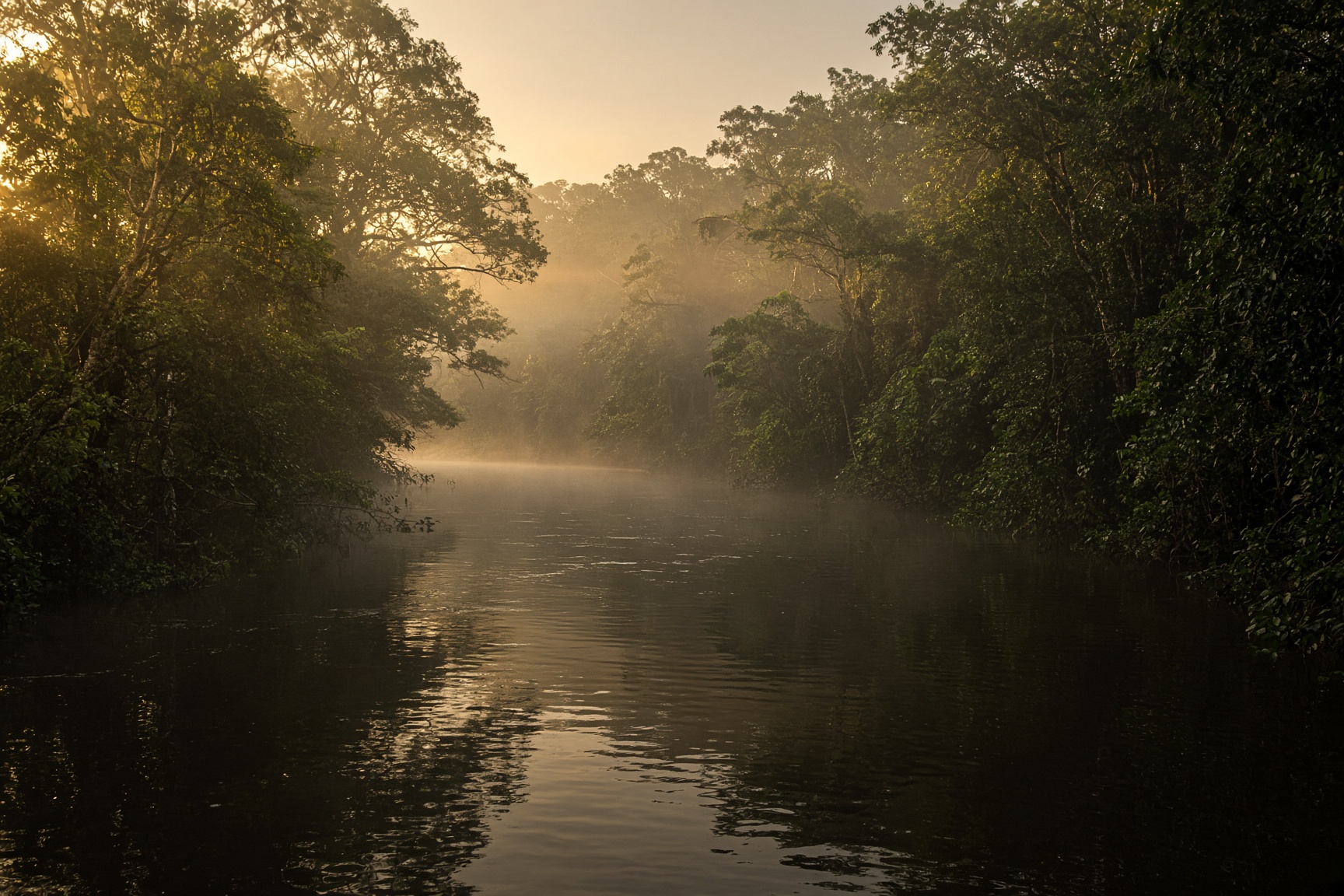
Bahía Negra · Alto Paraguay
Licensed indigenous beekeepers harvest the far-north river, near the tri-border, where flood and distance make every kilo expensive. Much darker. Smoky, with a hint of spice. Limited lots from the hard edge of the wetland.
The harvest
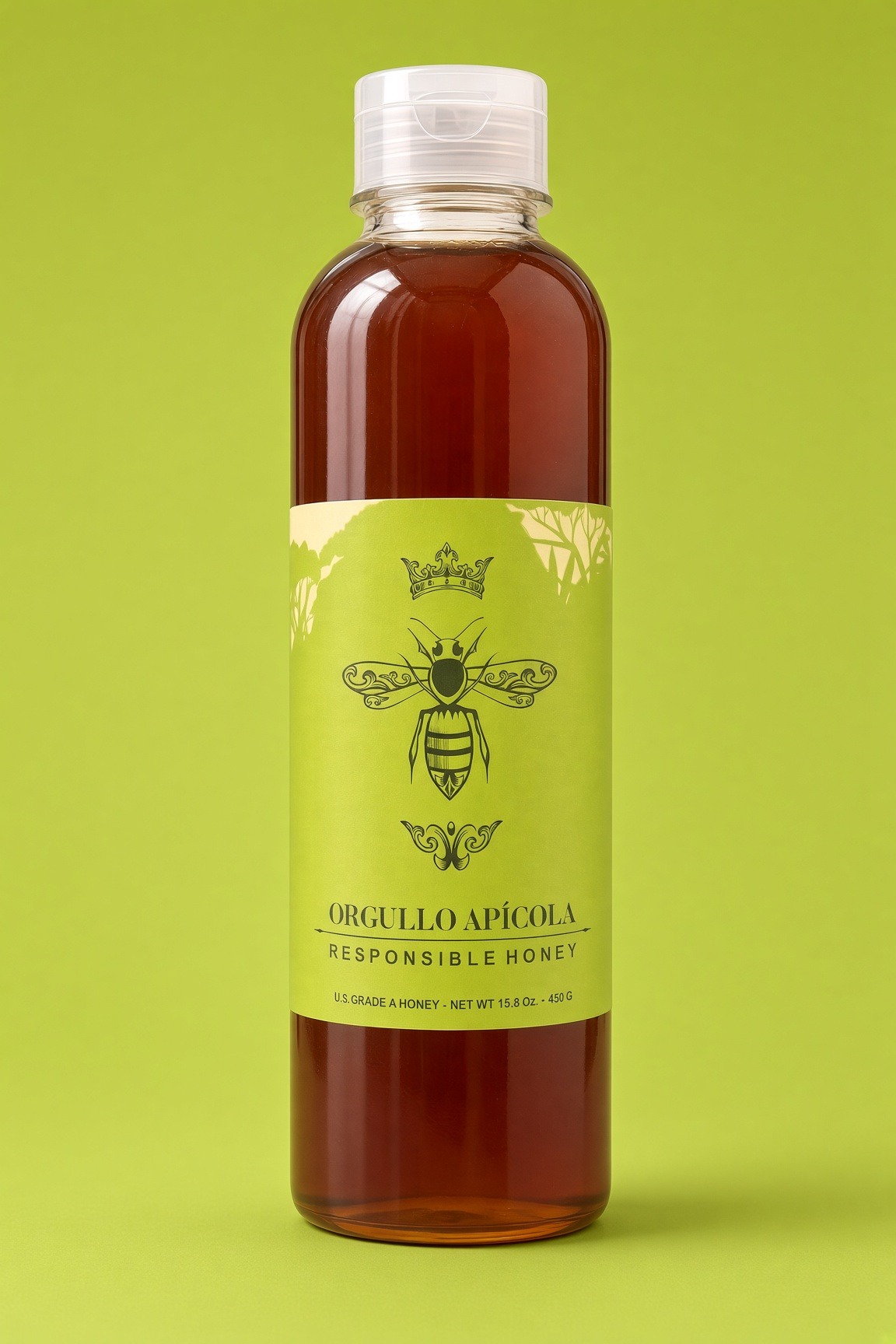
$19.99
Only 350 left
$24.99
Only 250 left
$99.99
The order we hope you make
Both Chaco squeezes — 15.8 oz and 26.4 oz — for $49, with shipping included. One bright bottle for the week. One to leave on the table.
Healthy forest + responsible honey = value that stays rooted.
“Buying the honey is the ticket. What you are actually doing is keeping a forest in business.”
What a bottle holds up